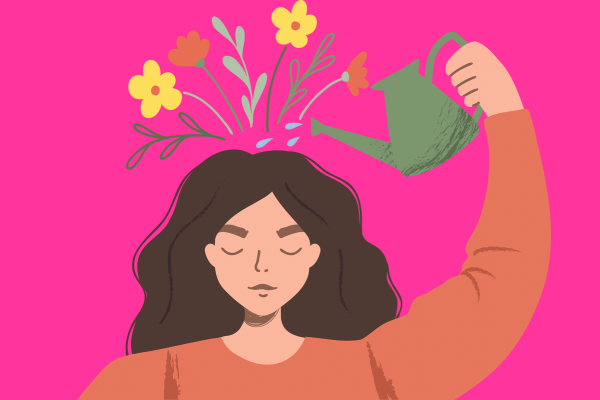
Why It’s So Important to Be a Selfish Mother Sometimes

From the moment we become mothers, society tells us to be selfless. We’re praised for giving everything to our children — our time, our energy, and often our sense of self. But what if that mindset is part of the problem? What if being a little selfish sometimes actually makes you a better mother?
“Selfish” is a word that can feel heavy and negative. Yet in reality, healthy selfishness isn’t about neglect or indifference. It’s about remembering that your needs matter too. When you take care of yourself, you’re not taking away from your children — you’re giving them a stronger, happier version of you.
Why Many Mothers Fall into the Self-Sacrifice Trap
Modern motherhood often comes with invisible pressure to “do it all.” From managing schedules and meals to providing emotional support, the mental load can be overwhelming. Over time, many moms lose sight of who they were before motherhood, feeling guilty for even wanting a moment to themselves.
The idea that a “good mother” must constantly sacrifice is not sustainable. It leads to burnout, resentment, and even health issues. If you’ve ever felt like you’re running on empty, you’re not alone — and it’s time to shift the narrative.
The Case for Being a Little Selfish
1. You Can’t Pour from an Empty Cup
Think about the airplane oxygen mask rule: you must secure your own mask first before helping others. The same goes for motherhood. When you neglect your health and emotional well-being, everyone around you feels it. Rest, nutrition, and self-care are not luxuries — they’re necessities.
2. You Model Self-Respect and Balance for Your Kids
Children learn more from what we do than what we say. When they see you set boundaries, rest without guilt, or take care of your mental health, they learn that self-respect is normal. You’re teaching them that love includes taking care of yourself, too.
For more inspiration, check out The Power in Self-Care, which explores how prioritizing your own needs strengthens your relationships with those around you.
3. You Become More Present and Patient
When you take time to recharge, you return to your family calmer, kinder, and more emotionally available. Being selfish doesn’t mean ignoring your kids; it means taking the steps necessary to show up as your best self. A 15-minute walk, a bath, or a quiet cup of coffee can reset your entire day.
4. You Reclaim Your Identity Beyond “Mom”
Before motherhood, you were a whole person — with hobbies, dreams, and passions. Reconnecting with that version of yourself can bring back confidence and fulfillment. Doing things that remind you of you is not taking away from your family; it’s adding to the joy and balance you bring into the home.
If you’re in the postpartum stage, you might find What to Pack in Your Hospital Bag for Labor helpful. It reminds moms that self-comfort and recovery are just as important as caring for the baby.
5. You Strengthen Family Relationships
When you communicate your needs and share responsibilities, your relationships often improve. Delegating tasks, asking for help, or letting others take charge teaches your family teamwork and empathy. It shows your children that care is a shared responsibility — not something that rests solely on one person.
What Healthy Selfishness Really Looks Like
Healthy selfishness doesn’t mean ignoring your kids, it means giving yourself permission to take up space in your own life.
It looks like:
- Scheduling time for rest or hobbies
- Saying “no” to overcommitment
- Asking for help without guilt
- Setting emotional and digital boundaries
- Prioritizing mental and physical health
It does not look like neglect or avoidance. It’s about balance — giving enough to others and yourself.
For practical tools that make self-care easier, browse Best Self-Care Gadgets for Busy Moms. These small devices can simplify your day and help you reclaim much-needed downtime.
Common Objections and How to Overcome Them
| Objection | Reframe |
|---|---|
| “If I don’t do it, who will?” | Delegating isn’t weakness. It’s teaching others responsibility. |
| “My kids need me 24/7.” | They need your presence, not your constant exhaustion. |
| “I feel guilty when I take time for myself.” | Guilt is often just a sign you’re breaking old habits — not that you’re doing something wrong. |
| “I don’t have time.” | Start small. Even ten minutes of silence can make a difference. |
You might also consider how this applies online. Modern moms face constant pressure from digital comparison. Setting healthy boundaries with technology, as discussed in Protect Your Children’s Digital Footprint, helps protect both your peace and your family’s well-being.
Practical Ways to Practice Healthy Selfishness
- Schedule Me Time – Put it in your calendar like any other commitment. Treat it as non-negotiable.
- Say No Without Explaining – You don’t owe anyone a reason for protecting your energy.
- Ask for Help – Partners, family, and friends often want to help — but they can’t if you never ask.
- Delegate Tasks – Share chores or outsource when possible. You don’t need to do it all.
- Rest Guilt-Free – Sleep and relaxation are essential to your mental health.
- Reconnect with Your Passions – Pick up a hobby or project that lights you up inside.
- Take Micro-Breaks – Even 5 minutes of deep breathing or stretching can reset your mood.
These actions may seem small, but they can create a powerful shift in how you experience motherhood.
Real-Life Examples of “Selfish” Moms Who Thrive
One mom I spoke with started taking 20-minute solo walks each evening. At first, she felt guilty, but soon she realized she came home calmer — and her kids noticed the difference. Another mom began asking her partner to handle bedtime twice a week, freeing time for yoga. Her mental health improved, and her relationship grew stronger.
These stories prove that a little selfishness doesn’t harm your family — it strengthens it.
The Ripple Effect of Selfishness
Being a selfish mother in a healthy way has long-term benefits:
- More patience and emotional balance
- Better mental and physical health
- A stronger sense of identity
- Healthier family dynamics
- Children who value self-care and empathy
When you honor your own needs, you teach your children that they can, too. You break the cycle of burnout and build a home grounded in emotional wellness.
Final Thoughts
Being a little selfish sometimes doesn’t make you a bad mom — it makes you a human one. True motherhood isn’t about constant sacrifice; it’s about balance, self-awareness, and love that starts within.
Give yourself permission to rest, say no, and dream again. You deserve the same care and compassion that you give to everyone else.