
FAFO Parenting: The Viral Trend Taking Over TikTok and Changing How Parents Discipline in 2026
What Is FAFO Parenting?
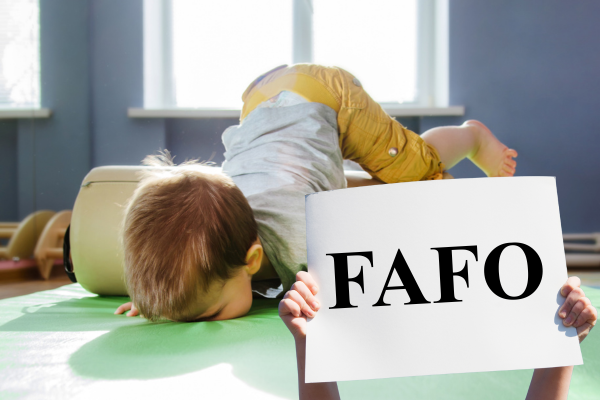
If you’ve spent any time scrolling through TikTok lately, you’ve probably seen parents talking about something called FAFO parenting — short for “F*** Around and Find Out” or “Face the Consequences.” It’s a new spin on parenting that emphasizes letting children experience the natural outcomes of their actions rather than rescuing them from mistakes. In simple terms, it means giving kids space to find out what happens when they forget their lunch, skip homework, or stay up too late — instead of constantly stepping in to fix everything. It’s not about punishment; it’s about accountability and learning through experience.
Why FAFO Parenting Is Going Viral
The reason FAFO parenting is spreading so fast online is that it flips the script on the overly protective parenting styles that dominated the past decade. Many parents, especially Millennials and Gen Z, are tired of “gentle parenting” being the only mainstream approach. FAFO parenting offers something different — it’s bold, confident, and relatable for parents who grew up hearing “You made your bed, now lie in it.” On TikTok, short videos showing parents calmly letting kids face small consequences often go viral because they’re equal parts funny and real. This approach resonates with a generation of parents who are seeking balance between empathy and structure.
The Psychology Behind the Trend
Child psychologists describe FAFO parenting as a form of natural-consequence learning — a concept long studied in developmental psychology. Allowing kids to experience real-world outcomes helps them build resilience, emotional intelligence, and responsibility. However, experts also warn that FAFO parenting requires good judgment. The goal is not to watch your child fail but to create safe opportunities for growth. For instance, letting a child forget their water bottle is fine; letting them go without sunscreen on a hot day isn’t. In moderation, it can be an empowering approach that teaches kids independence while maintaining parental guidance.
How to Apply FAFO Parenting at Home
Here are a few practical ways parents can try this approach safely:
- Start small. Pick low-risk situations — like chores, homework, or morning routines — where natural consequences can occur without harm.
- Stay calm. The key is not to gloat or shame. Simply let the outcome teach the lesson.
- Talk it through. Afterward, discuss what happened and how your child felt. The goal is reflection, not punishment.
- Stay consistent. Follow through without giving in at the first sign of discomfort. Consistency builds trust and credibility.
- Adapt by age. For toddlers, consequences might be immediate (“You threw your toy, so it’s put away”). For teens, it could mean handling their own deadlines or missed commitments.
FAFO Parenting vs. Gentle Parenting
While gentle parenting focuses on emotional connection and empathy, FAFO parenting introduces natural consequences as part of emotional learning. The best parents often blend both — staying kind and communicative, while still allowing children to learn that actions have outcomes. It’s not about being “harsh.” It’s about being realistic. Kids who never face setbacks often struggle with independence later in life.
The Role of Tech and Gadgets
Since The Parent Gadget is all about blending parenting with innovation, here’s how technology can actually help you put FAFO parenting into action:
- Smart family calendars like Cozi or Google Family Link can help track chores and responsibilities.
- Habit-tracking apps let kids earn rewards for consistency rather than punishment for failure.
- Digital assistants (Alexa, Google Home) can help remind kids of their own tasks — removing parents from the constant “nagging” role.
These tools help make natural consequences clear and consistent — without turning you into the “bad guy.”
Should You Try FAFO Parenting?
Every family is different, but FAFO parenting can be a refreshing alternative for those tired of micromanaging or rescuing their kids from every mistake. It encourages independence and problem-solving — two skills children will need long after they leave home. That said, balance is key. Use it as a tool, not a full-time philosophy. A little bit of “find out” mixed with love, guidance, and empathy can create confident, capable, and emotionally grounded kids.
Final Thoughts
FAFO parenting isn’t just another viral buzzword — it’s a sign that modern parents are rethinking what it means to raise resilient kids in 2026. Social media may have popularized it, but the core idea is timeless: Let your child learn from experience, not fear. If you’re curious to see whether it works for your family, start small, stay patient, and remember — growth happens when we let life teach its lessons.