
How to Limit Screen Time for Toddlers on Devices — A Kind, Practical Guide for Parents
It’s tempting to hand your toddler a tablet or phone for just a few minutes of peace. But before you know it, half an hour has gone by, and you’re left feeling guilty. If you’re here, you’re probably searching for a gentler, more sustainable way to manage screen time. You’re not alone. Many parents struggle with this balance, and the goal is not perfection but progress. This guide will walk you through practical, compassionate strategies you can try today — without guilt, without rigid rules, and with plenty of encouragement.
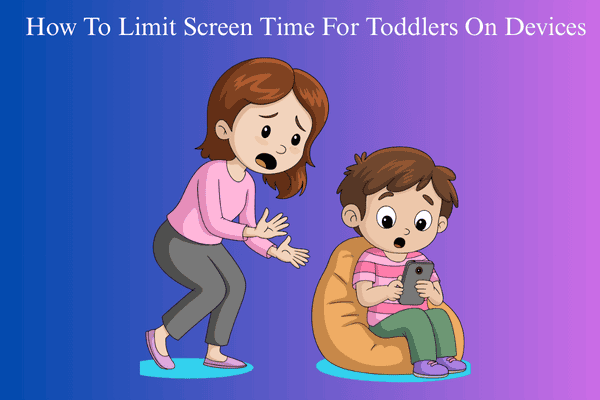
Why Limiting Screen Time Matters
Too much screen exposure can affect sleep, limit opportunities for creative play, and make transitions harder when devices are taken away. But screens are not inherently bad. They can provide educational opportunities, connect families through video calls, and entertain children when needed. The key isn’t banning devices entirely, but finding balance. When you shift your perspective from “all or nothing” to mindful use, it takes away some of the stress.
Setting Your “Why” Before Rules
Start by reflecting on why you want to limit screen time. Is it to encourage more unstructured play? Improve bedtime routines? Strengthen family connection? Knowing your “why” makes it easier to create consistent habits that feel purposeful rather than forced. Once you’re clear on your goals, think about simple rules you can introduce. Even toddlers can begin to understand structure. Use simple language like, “We’re going to watch for 20 minutes, then we’ll color together.” Visual timers work wonderfully because children can see the countdown. Transitioning into something enjoyable, like play dough or story time, softens the switch.
Gentle Rules That Work for Toddlers
A few helpful rules might include no screens in bedrooms, limiting use to one or two short sessions a day, or avoiding devices during mealtimes. Predictability is what matters most. Children feel safer when they know what to expect.
Choosing Devices and Features Wisely
Choosing the right tools can also make a big difference. Use parental control settings on devices to restrict usage, enable kids’ modes, or set up guided access so they can’t exit an app. Lean toward educational content instead of endless scrolling videos. Some families even prefer separate kids’ tablets with built-in parental controls. You can also add blue light filters in the evening to minimize the impact on sleep. The right technology can support your rules rather than fight against them.
Alternatives That Keep Kids Engaged
Replacing screen time with enriching alternatives is another important step. If your child is used to reaching for a tablet, have a basket of go-to activities nearby. Sensory bins filled with rice or water, sticker books, coloring pages, puzzles, and simple blocks are excellent substitutes. Music, dancing, or even a quick walk outside can shift their energy in positive ways. Offering your child a choice, like “Would you like to build blocks or color?” gives them a sense of control while gently guiding them away from screens.
Take a Gradual Approach
If your child currently spends a lot of time on devices, don’t make changes overnight. Gradual reduction works best. For example, if they watch two hours a day, reduce it by 10 or 15 minutes each week until you reach your goal. Observe how your child responds. Are tantrums getting better or worse? Is bedtime smoother? Are they engaging more in offline play? Adjust your approach as needed. Flexibility helps everyone stay calm during the transition.
Be Consistent and Model Healthy Use
Consistency between caregivers is essential. Talk with co-parents, grandparents, and babysitters about the rules you’re setting. Children notice differences, and mixed messages can cause frustration. Modeling healthy screen habits yourself is also powerful. When you put your phone down during meals or explain that you’re setting a timer for your own use, your toddler learns from your behavior.
Patience, Progress, and Realistic Parenting
Most importantly, be patient with yourself and your child. There will be setbacks, and that’s okay. Celebrate small wins, like your toddler happily turning off the tablet after the timer. Acknowledge their feelings when they’re upset about limits. Revisit your routines often and adapt them as your child grows. What works at age two may look very different at age four.
Final Thoughts
Remember, this isn’t about perfect parenting. It’s about guiding your child toward a healthier relationship with technology while giving yourself peace of mind. Start with one or two small changes this week. Celebrate progress, not perfection. Over time, your toddler will learn that screens are part of life but not the center of it — and you’ll feel more confident leading the way.