
Speak Up Before It’s Too Late: How Reporting Child Abuse Can Save a Life
Every day, thousands of children suffer in silence—behind closed doors, hidden by fear, and overlooked by the people who could save them. Child abuse and neglect are not rare events; they are painful realities that can destroy a child’s body, mind, and spirit. The most heartbreaking truth is that many of these tragedies could have been prevented if someone had spoken up. Reporting child abuse is not only a legal responsibility—it is an act of courage that can literally save a child’s life. When adults choose to notice, care, and act, they become the difference between continued suffering and the chance for safety and healing.
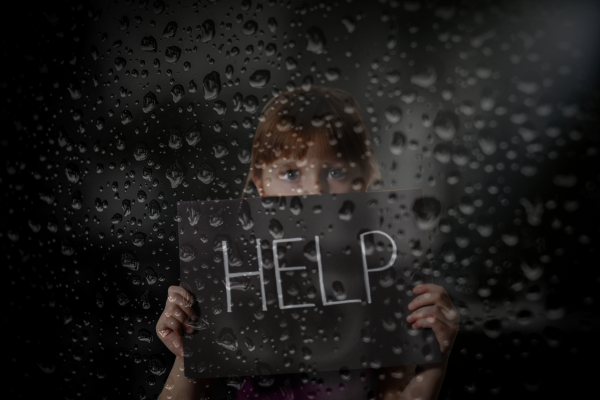
Reporting Child Abuse and Neglect
1. Reporting Protects Children From Immediate Danger
The most direct reason to report suspected abuse or neglect is to remove a child from immediate harm. Children who experience physical violence, sexual abuse, or severe neglect are often unable to protect themselves. Mandatory reporting laws exist because children rely on adults—teachers, neighbors, healthcare workers, and community members—to be their voice. Timely reports can trigger investigations that result in medical care, emergency shelter, or safe placement, literally saving a child’s life. Delayed or ignored suspicions, by contrast, can have tragic consequences.
2. Recognizing the Signs of Abuse and Neglect
Knowing the signs of abuse and neglect is essential for prevention. Many children cannot or will not speak about what they are experiencing, so it is up to adults to recognize the warning signals. The signs often vary by the type of abuse:
- Physical Abuse: Unexplained bruises, burns, or fractures; injuries that appear in patterns or on both sides of the body; flinching at sudden movements; or wearing long sleeves in hot weather to cover marks.
- Emotional Abuse: Extreme withdrawal, anxiety, aggression, fear of making mistakes, or excessive need for approval. The child may seem overly compliant or fearful around certain adults.
- Sexual Abuse: Difficulty walking or sitting, knowledge of sexual behavior beyond their age, sudden changes in hygiene, nightmares, or fear of being left alone with specific individuals.
- Neglect: Constant hunger, poor hygiene, untreated medical issues, inappropriate clothing for weather conditions, or frequent absences from school.
Recognizing and reporting these warning signs allows professionals to intervene before the harm becomes irreversible. Awareness saves lives.
3. Early Intervention Prevents Long-Term Trauma
Abuse and neglect are not only physical threats; they deeply wound a child’s emotional and psychological development. According to the Centers for Disease Control and Prevention (CDC), adverse childhood experiences such as abuse are strongly linked to depression, substance abuse, chronic illness, and even premature death in adulthood. Early intervention—often sparked by a single report—can connect a child to counseling, support services, and stable environments that promote healing. Reporting therefore interrupts the cycle of trauma before it becomes a lifelong burden.
4. Breaking the Cycle of Violence
Many abusers were once victims themselves. Without accountability or intervention, patterns of violence and neglect can repeat across generations. Reporting suspected abuse not only protects one child but may prevent future harm to others. When authorities investigate, families can be offered education, therapy, or parenting support designed to change harmful behaviors. By shining a light on abuse rather than keeping it hidden, communities promote responsibility, healing, and safer futures for children and families alike.
5. It Is a Legal and Ethical Duty
In most states, teachers, healthcare professionals, law enforcement officers, and social workers are legally required to report suspected child abuse. However, every citizen has an ethical obligation to act when a child’s safety is at stake. Reporting does not require certainty—only reasonable suspicion. Trained professionals then determine whether abuse occurred. Silence or hesitation can lead to continued harm, while taking action demonstrates compassion, responsibility, and respect for the sanctity of human life.
6. Community Awareness Strengthens Prevention
Communities that normalize reporting create a culture of protection rather than denial. Public awareness campaigns, school programs, and open discussions about child welfare encourage vigilance. When people understand the signs—unexplained injuries, fearfulness, malnourishment, or withdrawal—they are more likely to report early. Each report contributes to a broader network of safety that ensures no child slips through the cracks.
7. Reporting Builds a Foundation of Hope
Every report has the potential to change a child’s story. Many survivors of abuse credit a caring adult for noticing and speaking up. That single act of courage can lead to recovery, stability, and the chance for a brighter future. By reporting, individuals reaffirm a child’s worth, showing them that their pain matters and that they are not invisible. It sends a powerful message that their community stands on the side of protection and love.
Conclusion
Reporting child abuse and neglect is one of the most effective ways to save lives and shape safer communities. It is not about interfering in private matters—it is about defending the most vulnerable among us. Every time someone chooses to speak up, they become part of a chain of protection that can rescue a child from harm, restore dignity, and break the cycle of violence. Silence endangers; action saves. The call to report is, above all, a call to compassion—and through that compassion, lives are truly saved.